

20 Oct 2026 - 8:54 PM
What Happens to Skip Waste? Manchester Recycling Explained

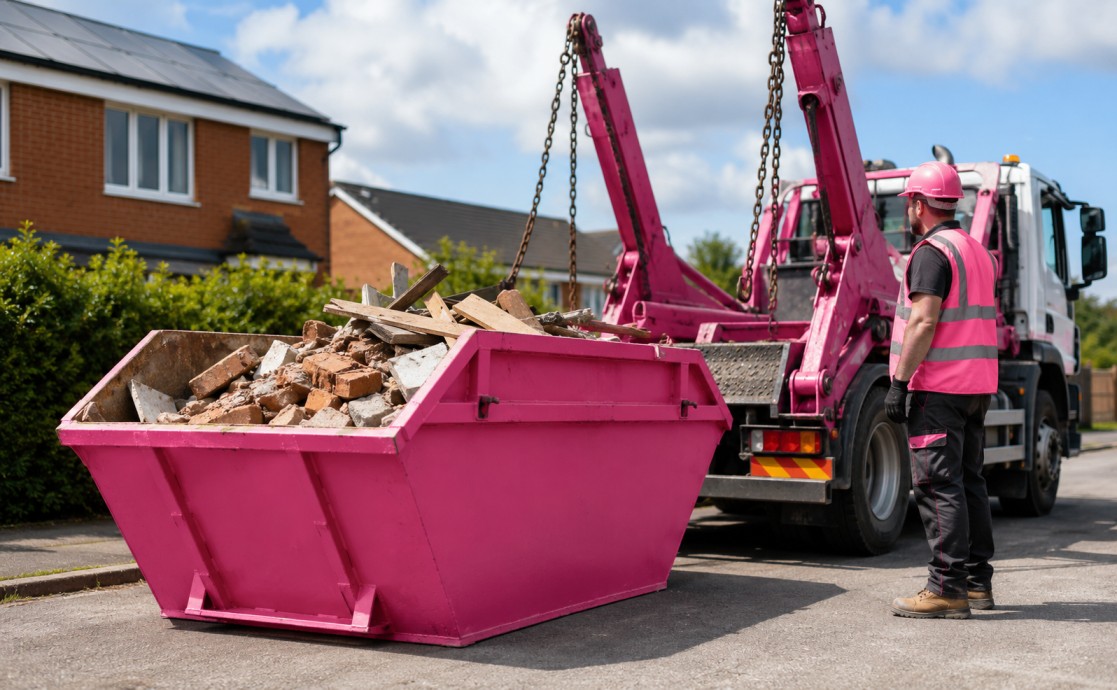
Hiring a skip is one of the easiest ways to clear rubbish from a home renovation, garden clearance, or building project. Yet many people book their first skip without knowing exactly what happens between the phone call and the collection. This guide walks through the entire process, from choosing the right size to what happens to your waste after it leaves your driveway. Whether you’re clearing out a loft in Manchester or managing debris from a full house renovation, understanding how skip hire works will save you time, money, and unnecessary stress.
Skip hire is a simple service where a company delivers a large open-topped container to your property, leaves it for an agreed period, then collects it once you’ve finished filling it. The waste inside is then taken away for sorting, recycling, or disposal in line with local regulations.
It’s a popular choice for homeowners, landlords, and contractors because it removes the need to make multiple trips to a tip or rely on a van and trailer.
Before you even pick up the phone, take a look around your property and estimate the volume of waste you’re dealing with. Common jobs include:
Knowing roughly how much you have makes the next step, choosing a skip size, much easier.
Skips come in several standard sizes, and picking the correct one matters. Too small and you’ll need a second skip. Too large and you’re paying for space you don’t use.
A reputable local skip hire company can talk you through sizing based on the details of your project, so don’t hesitate to ask for guidance if you’re unsure.
If the skip is going on your own driveway or private land, you won’t usually need a permit. However, if there’s no space and it has to sit on a public road or pavement, you’ll need a permit from your local council.
Your skip hire provider will usually be able to arrange this permit on your behalf, though it’s worth confirming timelines, as council permits can take a few working days to process.
Once you know the size and whether a permit is needed, booking is straightforward. Most companies allow you to book online or over the phone. You’ll typically need to provide:
Many providers offer next day delivery, which is handy if your project starts sooner than expected.
On the day of delivery, the skip lorry will arrive and place the skip in the agreed spot. It’s worth clearing the area beforehand and making sure there’s enough space for the vehicle to manoeuvre safely.
A few practical tips for placement:
This is where most of the actual work happens. To get the most from your skip, load it sensibly.
If you’re unsure what can and can’t go in, ask your provider beforehand. Most companies are happy to explain what’s classed as hazardous waste.
Once you’re finished, or the hire period ends, the company returns to collect the skip. The waste is then transported to a licensed recycling or waste management facility.
Responsible skip hire companies aim to recycle as much material as possible rather than sending it straight to landfill. Materials like wood, metal, rubble, and cardboard are often separated and reused, which is worth asking about if sustainability matters to you.
Hire periods usually range from a few days to a couple of weeks, depending on the provider and your agreement. If your project runs longer than expected, most companies will extend the hire for an additional fee rather than forcing an early collection.
Choosing a local provider often means faster delivery, better knowledge of council permit requirements in your area, and more flexible scheduling. Local companies also tend to have a reputation to protect within the community, which often translates into better customer service and clearer communication throughout the process.
Skip hire doesn’t need to be complicated once you understand the steps involved, from sizing and permits to loading and collection. Getting it right the first time saves you money, avoids delays, and keeps your project running smoothly. If you’re planning a renovation, clearance, or building job in Manchester, get in touch with a trusted local skip hire team who can guide you through sizing, permits, and delivery, and have a skip on your driveway sooner than you’d expect.
1. Can I put anything in a skip?
No. Certain items are restricted, including asbestos, paint, chemicals, batteries, tyres, and some electrical appliances. Always check with your provider if you’re unsure about a specific item.
2. Do I need a permit for a skip on my driveway?
No, permits are only required when a skip is placed on public land such as a road or pavement. Skips on private driveways don’t need one.
3. How quickly can a skip be delivered?
Many companies offer next day or even same day delivery, subject to availability. It’s best to book a few days ahead if your project has a fixed start date.
4. What happens if I overfill the skip?
Skips can’t legally be transported if waste is piled above the rim, as this poses a safety risk on the road. If overfilled, you may be asked to remove excess waste before collection.
5. What happens to the waste after collection?
Waste is taken to a licensed facility where it’s sorted. Recyclable materials are separated out, while non recyclable waste is disposed of in line with environmental regulations.