
19 Oct 2026 - 4:31 PM
How High Can You Fill a Skip? Loading Tips for Manchester
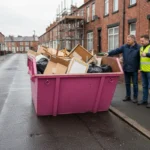
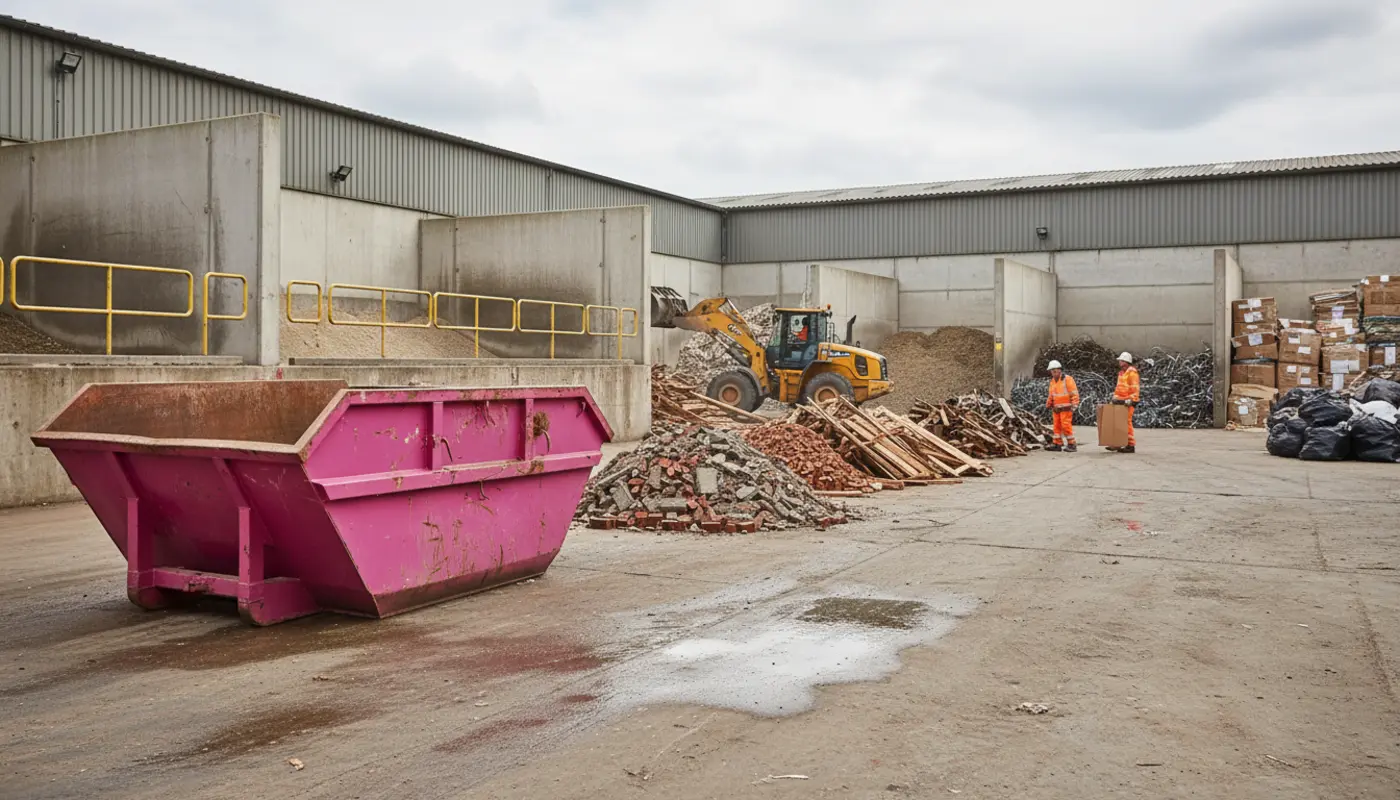
After your skip is collected in Manchester, the waste is usually taken to an authorised waste transfer, sorting or recycling facility. It is weighed, checked and separated so useful materials can be reused, recycled or recovered before anything is sent for final disposal. Most skip waste does not go straight to landfill, but the final route depends on what is inside the skip and how clean the materials are.
A skip is not the final stop for your rubbish. It is the first step in a wider waste journey. The route depends on the type of waste, whether anything is restricted, how well the skip has been loaded and which facility is allowed to handle those materials.
Pink Skip Manchester helps local households, trades and businesses choose the right skip and understand what can go inside it. This includes everyday Manchester jobs such as garden clearances, terrace refurbishments, shop refits, bathroom rip outs and building work.
Skip waste recycling in Manchester is about recovering as much useful material as possible after a skip is collected. Common materials such as bricks, concrete, soil, timber, metal and cardboard can often be separated and sent for suitable processing, rather than being treated as general rubbish.
The quality of the load makes a big difference. Clean rubble is easier to recover than rubble mixed with paint tins, food waste and plasterboard. Dry cardboard is more useful than cardboard soaked in wet soil. A tidy, well loaded skip gives the sorting team a much better chance of recovering materials properly.
When skip waste is collected, the driver first checks that the skip is safe to move. The load should not be overfilled, and the waste should sit within the sides of the skip. If items are sticking out, the skip may be unsafe to transport because loose material can fall during the journey.
The waste description also matters. If you say the skip contains soil and rubble, but it is actually full of mixed renovation waste, plasterboard and old paint, the receiving facility may not be able to handle it in the expected way. That can lead to delays, extra costs or refusal of the load.
It is always better to be clear when booking. Tell the provider if the waste includes soil, hardcore, plasterboard, electrical items, old insulation, chemicals or anything unusual. If you are not sure whether something can go in the skip, ask before loading, especially if you are clearing an older property or carrying out building work.
Skip waste is often weighed when it arrives at an authorised facility. This helps create a proper record of the load and supports responsible waste handling. For businesses, builders and commercial projects, paperwork is especially important because waste must be described correctly and passed to an authorised carrier or site.
Waste classification simply means identifying what the waste is and whether it needs special handling. Clean concrete is very different from contaminated soil. Untreated timber is different from wood affected by chemicals. The classification helps decide where the waste can legally go next.
The official UK waste hierarchy places prevention and reuse above recycling, recovery and disposal. In simple terms, it means the best option is to avoid waste where possible. After that, materials should be reused, recycled or recovered, with landfill left as the last resort.
Mixed skip waste is sorted so useful materials can be removed before the remaining waste is sent onwards. Some sorting is done by trained staff who can spot larger pieces of timber, scrap metal, cardboard, plastics, bulky items and problem materials. This human checking is important because mixed waste can be unpredictable, especially from home renovations and clearances.
Machinery may also be used, depending on the facility and waste type. Equipment can include conveyors, screens, magnets and air separation systems. These help divide materials by size, weight or type. Magnets can recover certain metals, while screening can help separate soil and smaller particles from larger pieces.
The cleaner the load, the easier the job becomes. If a skip contains mostly rubble, the material can often be processed more directly than a load mixed with timber, plastic, carpets, tiles, packaging and general rubbish. That does not mean every mixed skip is a problem. It means careful loading can improve the chance of recycling.
Different types of skip waste take different routes after sorting. Bricks, concrete and hardcore are often some of the most recoverable materials, as long as they are not heavily contaminated. They can be crushed, screened and graded, then used as recycled aggregate for construction, landscaping or groundworks where suitable.
Soil may be screened, reused or sent for recovery, but it is not always simple. Soil from some sites may need assessment if there is a risk of contamination from oil, chemicals, asbestos fragments or previous industrial use. Clean garden soil is not the same as soil dug from a former workshop yard, so the source of the soil matters.
Scrap metal is usually one of the easiest materials to separate and recycle. Steel, copper, aluminium and other metals can be sent to specialist processors, where they are prepared for manufacturing. Cardboard and paper can also be recycled if they are clean and dry, but wet or dirty cardboard may lose value quickly.
Wood is sorted by quality and condition. Some timber may be suitable for reuse or reprocessing, while painted, treated or dirty wood may need a different route. Plasterboard can cause problems if it is mixed carelessly with general waste, so always ask before placing it in your skip.
Plastics are more varied. Some types can be recovered when they are clean and separated, while mixed or dirty plastics may be harder to recycle. General residual waste is the leftover material after useful items have been removed. It may be sent for further treatment, energy recovery or disposal depending on what it contains.
Greater Manchester has a wide waste and recycling network, but household council waste routes and private skip waste routes are not always the same. A domestic recycling bin, a council waste site and a privately collected skip may all move through different parts of the regional system.
Transfer stations receive waste, weigh vehicles and bulk materials for onward transport. Materials recovery facilities sort recyclable materials into separate streams. Mechanical treatment facilities deal with waste that needs further processing before recovery or disposal. Energy from waste sites can recover energy from suitable leftover waste, but that is not the same as recycling material into a new product.
Manchester also has a busy construction and refurbishment scene, so construction and demolition waste is a major part of local waste movement. That is why choosing the right skip and describing the contents correctly is so important. If you are planning building work, it can help to read more about how skip hire companies recycle construction waste so you know what to expect before work begins.
Some skip waste can still go to landfill, but responsible waste handling aims to keep this to a minimum. Landfill is used for material that cannot be reused, recycled or recovered in a practical or legal way. It may also be needed for contaminated, unsuitable or rejected waste where no better route is available.
It is worth being careful with claims that say every load is recycled. No honest provider can promise that all mixed waste from every skip will become new material. Outcomes depend on contamination, sorting quality, market demand and facility permissions. Landfill diversion is also not the same as recycling, because waste may be diverted through energy recovery rather than turned into a new product.
The best result usually starts before the skip is collected. If you separate materials, avoid restricted items and keep recyclable waste clean, you give the sorting facility a better chance of recovering it. Small choices during loading can help you avoid hassle, extra charges and delays later.
You can make skip waste easier to recycle by keeping materials as clean and separate as possible. You do not need to be a waste expert. A little planning can help your skip waste move through the best available route.
If you are unsure about restricted items, it is far better to ask early than deal with a problem at collection. For a simple starting point, you can also check what you can put in a skip before you start filling it.
Some skip waste should not go into a general skip because it needs specialist handling. These materials can harm people, damage equipment or create environmental risks. Asbestos is the main example. If you find anything that might contain asbestos, especially in older garages, sheds, ceilings, floor tiles or insulation boards, stop work and get proper advice before touching it.
Other restricted items often include paints, solvents, chemicals, gas cylinders, fuels, oils, clinical waste, batteries, fridges, freezers and some electrical equipment. Contaminated soil and certain treated materials may also need a different route. Acceptance rules can vary depending on the facility, the waste type and the permit conditions, so never assume that a skip can take everything.
Putting the wrong material in a skip can lead to extra charges, refused collection or specialist disposal costs. More importantly, it can put drivers and waste facility staff at risk. If something looks suspicious, smells strongly of chemicals, has warning labels or comes from a building where asbestos could be present, check first.
For domestic skip hire, paperwork is usually handled behind the scenes by the authorised waste carrier and receiving facility. For commercial waste, builders, landlords and businesses may need a waste transfer note for non hazardous waste. This record describes the waste, who produced it, who carried it and where it went.
Hazardous waste has stricter rules and may need different paperwork. That is why accurate descriptions are important. If waste is described wrongly, it may be sent to the wrong place, which can create legal and environmental problems.
A responsible provider should be able to explain what is accepted, what is not accepted and what happens if restricted waste is found. They should also be clear about waste carrier responsibilities and avoid vague claims that sound good but cannot be backed up.
Responsible skip waste management in Manchester is about more than price. It is also about safe collection, legal handling and what happens after the skip leaves your driveway, building site or business premises. A good provider will help you choose the right skip size, explain loading rules and give clear advice if your waste includes soil, plasterboard or unusual materials.
Pink Skip Manchester works across Greater Manchester with a friendly, punctual and hassle free approach. With years of skip hire experience, a useful range of skip sizes and its own recycling facility, the team understands how important it is to move waste responsibly rather than simply take it out of sight.
If you want a smoother collection, give as much detail as you can when booking. Say whether the job is a bathroom rip out, garden clearance, office refit, kitchen renovation or building project. That helps the team guide you properly and reduces the chance of surprises when the skip is collected.
Is All Skip Waste Recycled?
No. Some materials can be reused or recycled, some may go to energy recovery, and some leftover or unsuitable waste may need disposal. The cleaner and better sorted your waste is, the better the chances of recovery.
Where Does Skip Waste Go In Manchester?
It usually goes to an authorised transfer, sorting, recycling, recovery or disposal facility. The exact route depends on the type of waste and the facility allowed to receive it.
What Happens To Rubble In A Skip?
Clean bricks, concrete and hardcore can often be crushed and screened into recycled aggregate. This depends on the material being suitable and not heavily contaminated.
Can Plasterboard Go In A Mixed Skip?
Plasterboard may need separate handling, so you should always ask before placing it in a general mixed skip. A quick check can help you avoid extra costs and loading problems.
Can Asbestos Go In A Skip?
No. Suspected asbestos should never go in a general skip. If you are unsure, stop and get advice before moving it. It needs specialist assessment, packaging, transport and disposal.
If you are planning a clear out, renovation or building project and you are not sure what can go in your skip, ask Pink Skip Manchester before you load it. A quick chat can save time, avoid surprise charges and help your waste take the most responsible route.