
21 Nov 2026 - 4:17 PM
Roof Replacement Waste: Skip Hire Tips for Homeowners
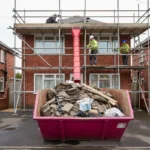
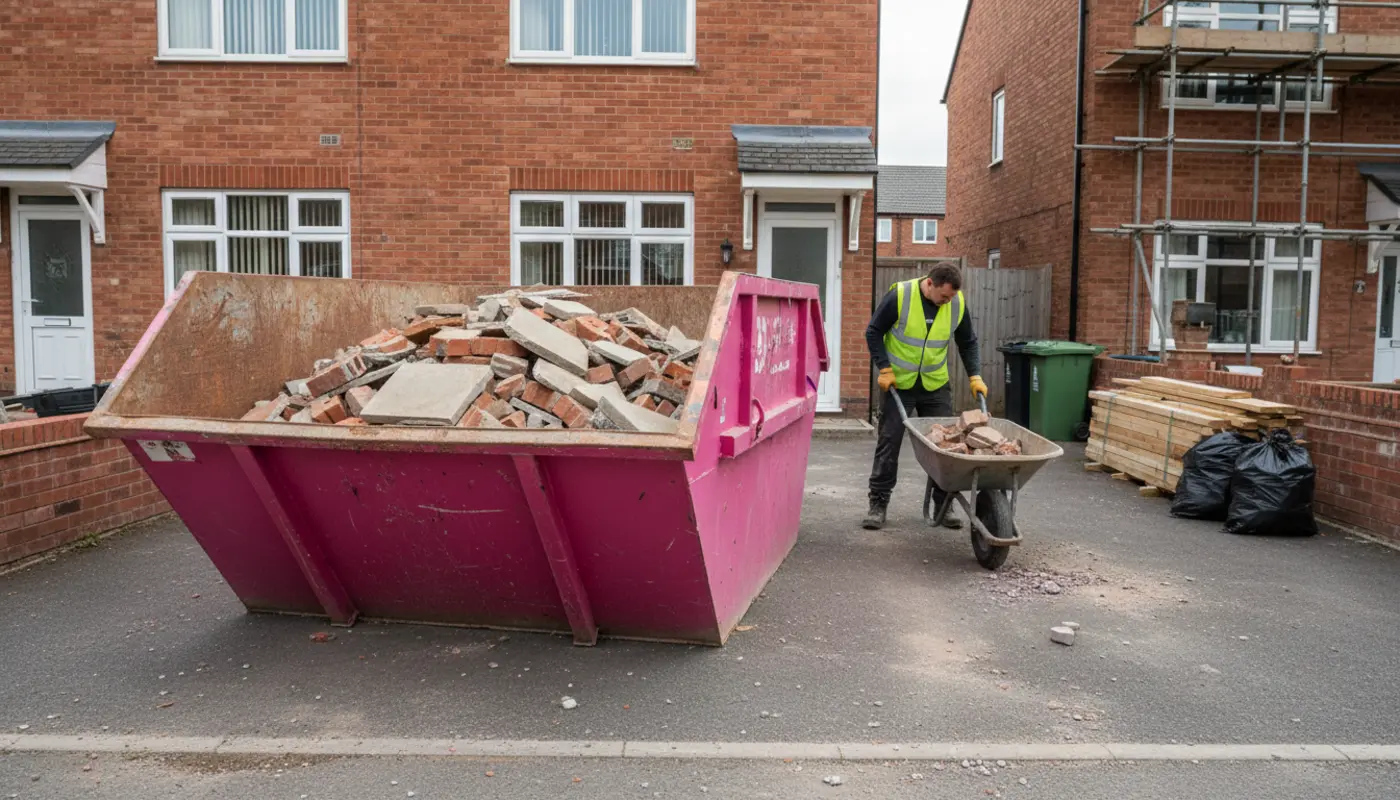
To dispose of rubble safely in Manchester, first work out how much waste you have and where it came from. Small amounts of self generated DIY rubble may be accepted at a Greater Manchester recycling centre if you follow the latest local rules. Larger loads from renovation, landscaping, driveway work or demolition are usually better handled with a heavy waste skip from an authorised provider.
Rubble, bricks and concrete should not go in your household bin. They are too heavy for normal bin collections and are not classed as everyday household rubbish. They need a proper waste route so they can be moved safely, checked, sorted and recycled where possible.
Pink Skip Manchester helps homeowners, landlords, tradespeople and builders across Greater Manchester choose the right skip for heavy waste. We also help customers load skips safely, avoid overweight loads and keep recyclable materials away from waste that should not be mixed in.
Rubble, bricks and concrete waste is usually created during building, repair, garden or demolition work. It can include broken bricks, concrete blocks, paving slabs, mortar, render, tiles, stones, hardcore, driveway waste and small pieces of masonry. Some loads may also include clean soil, but only if your skip provider has confirmed that soil is allowed with that type of waste.
This type of waste is often called inert construction waste. In simple terms, that means it does not rot like food waste and does not act like normal household rubbish. Even so, it still needs careful handling because it is heavy, dusty and easy to contaminate with the wrong items.
A clean pile of bricks, concrete and stone is much easier to recycle than a mixed pile that contains plasterboard, paint tins, plastic bags, insulation, food waste or general rubbish. Keeping the waste clean from the start gives it a much better chance of being turned into useful recycled material.
The safest disposal option depends on who created the rubble, how much there is and whether the load is clean or mixed. If you have done a small DIY job at home, such as removing a few paving slabs or taking down a small brick feature, a Greater Manchester recycling centre may be suitable. Always check the latest site rules before you travel because limits can apply.
If the waste was created by a builder, tradesperson or contractor, it is normally treated as trade waste rather than household waste. In that case, it should not be taken to a household recycling centre. The person or company doing the work should explain how the waste will be removed and where it will go. It is also sensible to ask whether disposal is included in the price before work starts.
For bigger projects, heavy waste skip hire is often the most practical choice. A skip keeps rubble in one place, reduces repeated car trips and gives you a clear space to load waste as the job moves forward. It works well for wall removals, bathroom strip outs, patios, paths, garden walls, garage bases, extensions and driveway work.
The safest way to dispose of rubble, bricks and concrete is to plan the waste route before the job begins. Decide whether the waste is a small household DIY amount, a larger home renovation load or trade waste from a professional job. Then choose the right route, such as a recycling centre, builder managed disposal, licensed collection or heavy waste skip.
For household DIY waste, Greater Manchester recycling centres may accept limited amounts of hardcore and rubble. This can include bricks, concrete, paving slabs, stones, tiles and ceramics. Local rules have referred to limits based on rubble sacks, so it is worth checking the current guidance for your nearest centre before loading the car.
For larger loads, tell your skip provider exactly what you are throwing away. Say whether it is clean concrete, bricks and masonry, soil and hardcore, mixed building waste or waste that may include plasterboard or hazardous material. Clear information helps the provider recommend the right skip, reduce the risk of extra charges and send the load to the correct processing route. You can also check the official GOV.UK guidance on household waste if you are unsure whether your waste is DIY, household or trade related.
The right skip size for rubble and concrete depends on weight as well as volume. Concrete, bricks, slabs and hardcore are dense, so a skip can become too heavy before it looks full. This is why the biggest skip is not always the best option for heavy waste.
A small skip can work well for dense rubble from a minor DIY job, such as broken slabs, old bricks or chunks of concrete. A medium skip may be better for mixed renovation waste where you have some rubble along with lighter materials. Very large skips are usually not suitable for pure concrete or brick because the weight can become unsafe for collection.
The best choice depends on the amount of waste, access to the property, where the skip will sit and whether the load is clean or mixed. If you are unsure, ask before booking. Useful details include the type of job, the number of rubble bags or wheelbarrow loads, whether soil is included and whether the concrete or slabs are in large pieces. For more help with safe loading and weight planning, read our page on skip weight limits for heavy waste.
Safe loading starts with a tidy working area. Place the skip on stable, level ground where it can be reached without carrying heavy loads too far. Keep paths clear, remove trip hazards and make sure children, pets and visitors stay away from the loading route. If the skip needs to go on a public road, check whether a permit is needed before delivery.
Wear sensible protective gear before you start. Strong gloves protect your hands from sharp edges, sturdy boots protect your feet and eye protection helps when small chips or dust may fly up. If the job creates a lot of dust, suitable dust protection may also be needed.
Use a wheelbarrow, sack barrow or trolley where possible, especially for slabs, blocks and repeated loads. Avoid carrying very heavy chunks of concrete by hand because back and shoulder injuries can happen quickly. If a slab or block feels too heavy, ask for help or break the task into smaller loads.
Load the heaviest materials across the base of the skip instead of piling everything in one corner. This helps keep the skip balanced and safer to collect. Do not drop large pieces from height if you can avoid it because they can bounce, create dust or damage the skip. Keep the load level and stop before the waste reaches the top edge or marked fill line.
Rubble waste should be kept separate because clean bricks, concrete and hardcore are much easier to recycle. A load made mainly from concrete, brick, stone and clean hardcore can often be sorted, crushed and screened into recycled aggregate. Once it is mixed with plasterboard, insulation, plastic bags, paint, chemicals or food waste, recycling becomes harder and may cost more.
Separation does not need to be complicated. Keep one area for clean masonry and another for wood, metal, plastic, packaging and general renovation waste. If plasterboard is present, keep it separate unless your waste provider has clearly confirmed that it can go in the same skip. Soil should also be discussed first because some loads can include soil and rubble while others need a separate arrangement.
Good separation protects the recycling process and reduces the risk of a rejected or contaminated load. It also keeps your project safer because sharp offcuts, dusty waste and heavy rubble are not all tangled together in one difficult pile.
Some items should never be placed in a rubble or concrete skip because they can be unsafe, hard to process or not accepted at the recycling facility. If you are unsure about an item, ask before loading it. It is much easier to deal with problem waste separately than to fix a contaminated skip later.
Overfilling is another common problem. Waste must stay below the sides of the skip and should not stick out above the top. Bricks, slabs and concrete pieces that sit above the fill line can make transport unsafe, and the driver may be unable to collect the skip until the extra waste has been removed.
Dust from brick and concrete waste should be controlled because broken concrete, mortar, tiles and bricks can release fine particles when they are cut, smashed, swept or dropped. Try to avoid breaking material more than needed and lightly dampen dusty waste before moving it. A small spray of water can help keep dust down, but do not create wet sludge that leaks or becomes hard to handle.
If you are cutting, grinding or drilling concrete or masonry, use dust control methods such as water suppression or suitable extraction equipment. For very dusty jobs, proper breathing protection may be needed. Dry sweeping can push fine dust into the air, so use a shovel, bucket, suitable vacuum equipment or damp cleaning methods where safe.
When loading a skip, move material steadily instead of throwing it from a distance. Keep dusty rubble contained, cover loose piles if they will sit for a while and avoid working in windy conditions if dust could blow towards neighbours, windows or public paths.
Rubble becomes recycled aggregate when clean bricks, concrete and masonry are taken to an authorised facility, checked and processed. The load is inspected first so unsuitable items can be removed where possible. Clean concrete and masonry can then be crushed into smaller pieces.
The crushed material is screened into different sizes so it can be used again in construction. Depending on quality and site needs, recycled aggregate may be used for sub bases, paths, roads, drainage layers, foundations and other building uses. This reduces the need for freshly quarried stone and helps keep useful material out of landfill.
At Pink Skip Manchester, our local experience and recycling facility help us deal with construction and demolition waste in a practical and responsible way. If you want to understand what can happen after a skip is collected, our page on Manchester skip waste recycling explains the process in more detail.
Bricks, slabs and hardcore do not always need to be thrown away straight away. Good bricks can often be reused for garden edging, small walls, repairs or simple landscaping. Paving slabs may still be useful for paths, shed bases or another garden project if they are in decent condition.
Clean hardcore can sometimes be reused as a base material if it is suitable for the job and has not been contaminated. If you plan to reuse any material, keep it separate from dirty or broken waste from the start. Once good bricks are mixed into a messy heap with plaster, timber, packaging and soil, saving them becomes much harder.
Reuse is a simple way to reduce disposal costs and lower the amount of waste leaving your site. It can also save money on buying new materials for small repairs or garden work later.
The most common mistake is putting rubble, bricks or concrete into a household bin. It is too heavy and not suitable for normal domestic waste collection. Another mistake is assuming a recycling centre will accept any amount of DIY rubble, even though local limits often apply.
People also get caught out by choosing a skip based only on how full it looks. With heavy waste, weight matters just as much as space. A skip filled with concrete is very different from a skip filled with cardboard, old cupboards and light household items.
Other common mistakes include mixing plasterboard with rubble, loading above the fill line, carrying loads that are too heavy, leaving loose waste where it can escape and forgetting to ask a builder whether waste removal is included. A few simple checks at the start can save a lot of stress at the end.
The easiest way to deal with rubble, bricks and concrete is to estimate the amount, separate anything hazardous or unsuitable and choose your disposal route before work begins. For small household DIY amounts, check the latest Greater Manchester recycling centre rules. For larger or heavier projects, speak to a local skip provider that understands dense construction waste.
Clear details make the process smoother. Tell your provider what the waste is, keep banned items out and load the skip safely. This helps you avoid overfilling, reduces the risk of extra charges and gives clean rubble the best chance of being recycled into useful aggregate. It is better for your project, safer for the collection team and better for Manchester.
Can Rubble Go In A Household Bin?
No. Rubble, bricks and concrete should not go in household bins because they are too heavy and need a proper disposal route.
Can I Take Bricks And Concrete To A Manchester Recycling Centre?
Small amounts of self generated DIY rubble may be accepted at Greater Manchester recycling centres, but limits and rules apply. Always check the latest site guidance before travelling.
What Skip Is Best For Concrete And Bricks?
The best skip depends on the amount, weight, access and whether the waste is clean or mixed. Ask for a heavy waste recommendation rather than choosing by size alone.
Can I Mix Soil And Rubble In A Skip?
Sometimes, but you should confirm this before booking because soil can affect weight and disposal requirements. Clean separation is often the safer option.
Can Asbestos Go In A Rubble Skip?
No. Asbestos and suspected asbestos need specialist disposal and must never be mixed with bricks, rubble or concrete.