
12 Aug 2026 - 2:55 PM
How Skip Hire Companies Recycle Construction Waste

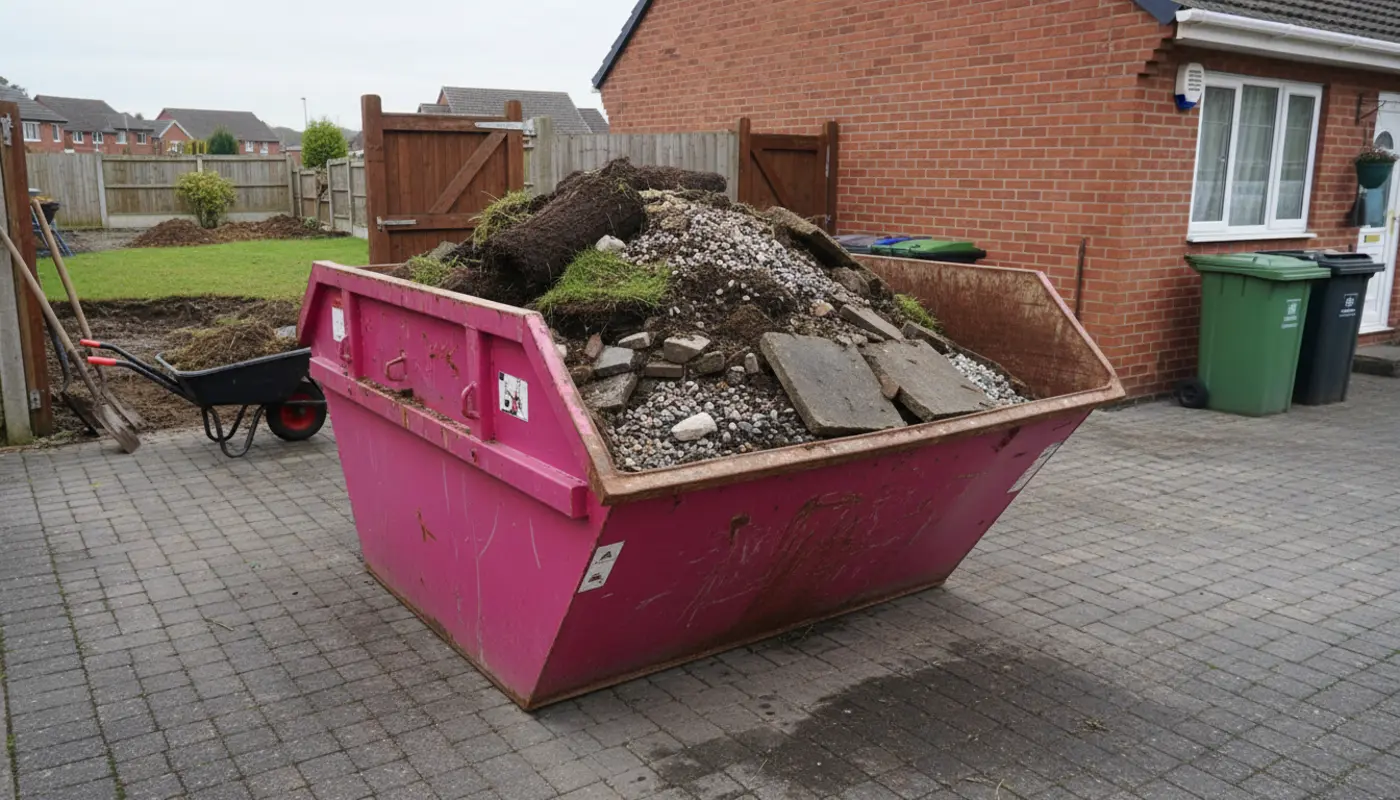
Yes, you can usually put clean soil in a skip, but you must tell the skip provider before booking. Soil is classed as heavy garden waste because it can make a skip reach its weight limit much faster than light garden rubbish such as branches, leaves and hedge cuttings.
Soil, turf, stones, gravel and rubble may not look like a big problem at first, but they are dense materials. A skip that works well for old fencing, plant pots and garden trimmings may not be right for wet clay, turf and paving slabs.
Pink Skip Manchester helps homeowners, landlords and trades across Greater Manchester choose the right skip for garden clearances, landscaping work and heavy waste jobs. The team gives practical advice based on local skip hire experience and support from its own recycling facility.
Clean, uncontaminated soil can usually go in a skip safely, as long as it is declared when you order and the skip is suitable for heavy waste. Soil is not difficult because it is unusual. It is difficult because it is heavy, especially when it contains clay, stones or rainwater.
If a skip becomes too heavy, it may be unsafe to lift, move or transport, even if it is not full to the top. Soil should also never be loaded above the fill line. Skip fill lines are there for safety, and collection vehicles cannot safely move overloaded containers.
If you are digging out a border, removing a lawn or levelling part of the garden, explain the job clearly when booking. This helps the skip provider match the skip to both the amount of waste and the likely weight.
Soil from a normal domestic garden is different from soil that may be contaminated. If there has been an oil spill, chemical storage, asbestos debris, unusual staining or a strong smell, do not place it in a standard skip without getting advice first. GOV.UK gives general advice on safe waste handling through its household waste disposal advice.
Turf can usually go in a skip, but it should be treated as heavy garden waste rather than simple grass cuttings. A roll of turf is not only grass. It also includes roots, soil and often a lot of water, especially after rain.
When removing a lawn, estimate the area and the depth you are cutting, rather than only counting the rolls you expect to lift. A thin layer from a small lawn may be easy to manage, while a thick, damp lawn with clay underneath can quickly become a heavy load.
If you are replacing grass with paving, decking or artificial turf, there may also be edging stones, rubble, sand or old hardcore beneath the surface. Where possible, keep turf separate from lighter green garden waste such as hedge cuttings and branches.
This makes the waste easier to describe when booking and can also help with sorting and recycling. If the turf is mixed with stones, old roots and subsoil, mention this when arranging the skip, as it may need to be handled as mixed heavy garden waste.
Stones, gravel, hardcore, bricks, concrete and paving slabs can often go in a suitable skip, but they must be declared because they are heavy inert waste. Inert waste means material that does not easily break down or react, such as clean soil, stone, brick and concrete.
These materials are common in garden projects, especially when taking up patios, paths, rockeries and small retaining walls. The main issue is not whether they fit in the skip. They usually do. The issue is whether the filled skip can be lifted safely.
A skip half filled with slabs, soil and concrete may weigh more than a full skip of old cupboards, cardboard and light household rubbish. That is why large skips are not always the best choice for heavy materials.
If you are dealing with rubble as well as soil, it is worth reading more about how to dispose of rubble bricks and concrete safely, as patio and building waste often has different loading needs from general garden clearance.
Heavy garden waste is different from green waste because it includes dense materials such as soil, turf, stones, gravel, rubble, slabs, concrete and clay. Green waste usually means plant material such as grass cuttings, leaves, hedge trimmings, weeds, small branches and plant stems.
This difference matters because green garden waste is quite light by volume and is often processed differently from soil and rubble. Soil should not be treated as green waste just because it came from a flower bed. Turf can also cause confusion, as the grass is green waste but the attached soil makes it heavy.
A mixed garden skip may be suitable for some jobs, but only if the contents are explained clearly. Cutting back shrubs and removing a few plant roots is very different from digging out a wide border along the full length of a garden wall. The first job is mainly green waste. The second is garden excavation waste with soil, roots and stones.
Soil in a skip becomes a weight problem because skip sizes describe space, not unlimited carrying power. A skip may have room left inside, but the load can still be too heavy for safe collection.
Soil weight can change a lot depending on moisture, clay content, compaction and the amount of stone mixed through it. Wet clay soil is much heavier than dry, loose topsoil, and turf adds even more moisture to the load.
This is why a skip can be too heavy even when it looks only partly full. A few inches of wet soil across the base of a skip may not look serious, but it can add a lot of weight. Add gravel, broken slabs or concrete, and the load becomes heavier again.
A simple way to think about soil waste is amount and weight together. The deeper and wider the area you dig, the more waste you create. The wetter or stonier the material is, the heavier it becomes.
You should not fill a large skip with soil because it can become too heavy to collect safely long before it reaches the top. A large skip gives you more space, but it does not mean it can be filled from bottom to top with earth, clay and stone.
Large skips are often used for bulky lighter waste, such as timber, packaging, household items and mixed renovation waste. They are not always suitable for tonnes of dense garden material.
If a large skip is packed with soil, it can go over the safe lifting limit of the vehicle. The driver may be unable to collect it, or some of the load may need to be removed before transport. That can delay the job and create extra hassle when the garden is already in a messy stage.
For heavy materials, a smaller skip, a reduced fill level or more than one collection may be the safer option. The right choice depends on the material, the amount, access and the permitted weight. If you are unsure, ask before booking rather than guessing on the day.
The best skip size for soil and heavy garden waste depends on the amount of material and how heavy it is likely to be. A few bags of loose soil may not need a skip at all if your local recycling centre accepts it, but a dug out border, lawn removal or patio base is a much bigger job.
Mini and midi skips are often better suited to soil and rubble than large skips because they keep the load within a more manageable weight range. A builder's skip may be suitable for some heavy garden waste, but it should not be filled with soil unless the skip provider confirms the allowed load.
For a clearer view of skip capacity, choosing the right skip size for your project can help you understand how skip sizes work before you order.
As a practical rule, tell the provider whether the skip will contain clean soil only, turf, rubble, slabs, gravel, branches or mixed garden waste. That single conversation can prevent most problems and helps the waste be sorted correctly where possible.
Common garden jobs that create heavy waste include digging out borders, removing lawns, lifting patios, levelling ground and repairing garden walls. These jobs often produce soil, roots, stones, clay, rubble and slabs rather than light green waste.
Digging out borders can create more waste than expected because old roots, stones and hidden edging often come up with the soil. A narrow strip can still produce a heavy load if it runs around the garden or needs to be dug down deeply. Measure the length, width and average depth before you start, as this gives a better estimate than surface area alone.
Removing a lawn creates turf, roots and attached soil, with extra weight if the ground is damp. If you are stripping a lawn ready for new turf, artificial grass or paving, allow for the soil that comes up with each section. Older gardens can also hide stones, broken bricks and bits of edging beneath the grass.
Laying a patio can create several waste types at once. You may have paving slabs, bedding sand, hardcore, concrete, excavated soil and old edging stones. These materials are all heavier than normal green waste and should be treated as inert or heavy waste. Garden levelling, drainage work, rockery removal and retaining wall repairs can create similar loads, so plan disposal before the digging starts.
To prepare heavy garden waste for a skip, estimate the amount of soil or turf first, separate materials where practical and give the skip provider a clear description of the waste. Good preparation makes the job safer, tidier and less likely to cause collection problems.
If the soil is very wet and the job can wait, allowing it to drain a little may make handling easier. Do not add water, wet grass or soggy plant waste unnecessarily, as this only increases weight. A clear, tidy load is easier and safer for everyone involved.
Small amounts of clean soil can often be reused in the garden if the soil is suitable. You may be able to level low patches, fill raised beds, improve borders or save good topsoil for future planting.
If the soil contains weeds, roots or rubble, it may need sorting before reuse. Some household recycling centres accept limited quantities of soil, rubble or DIY waste, but rules vary by area and can change.
Manchester residents should check current local guidance before loading the car, especially when using a van, trailer or larger vehicle. Never leave waste outside a recycling centre, as this can be treated as fly tipping.
For larger amounts, a suitable skip is often simpler than repeated tip trips. It keeps the waste contained, saves time and avoids heavy bags being carried through the house or loaded into a car boot that was never built for half a garden.
You should speak to Pink Skip Manchester before ordering if your garden project involves soil, turf, stones, slabs or rubble. Start by explaining what you are removing, the area being dug out and whether the waste includes wet clay, gravel, paving or mixed garden waste.
The team can help you think through the likely waste type, suitable skip size and loading limits, rather than leaving you to guess from a pile of muddy earth on the driveway. With local service across Greater Manchester, a range of skip sizes and recycling facilities, Pink Skip Manchester is well placed to support garden clearances, landscaping work, patio removals and heavier domestic projects.
The best results come from being clear about the contents, especially when soil and rubble are involved. If in doubt, ask for advice before booking so the skip suits the job from the start.
Can You Put Clean Soil In A Skip?
Yes, clean soil can usually go in a skip, but it must be declared because it is heavy and may need a smaller skip or a skip suitable for heavy waste.
Can Turf Go In A Skip?
Usually yes, but turf should be treated as heavy waste because it contains grass, roots, soil and moisture. Always mention turf when booking.
Can I Put Stones And Gravel In A Skip?
Often yes, as long as the skip is suitable for inert or heavy waste. Stones and gravel are dense, so weight limits are important.
Can I Fill A Large Skip With Soil?
No, you should not assume a large skip can be filled with soil. It may become too heavy to collect safely before it looks full.
Is Soil The Same As Green Waste?
No, green waste usually means plant material such as grass, leaves and hedge cuttings. Soil, turf, stones and rubble should be declared separately.