

20 Oct 2026 - 8:54 PM
What Happens to Skip Waste? Manchester Recycling Explained

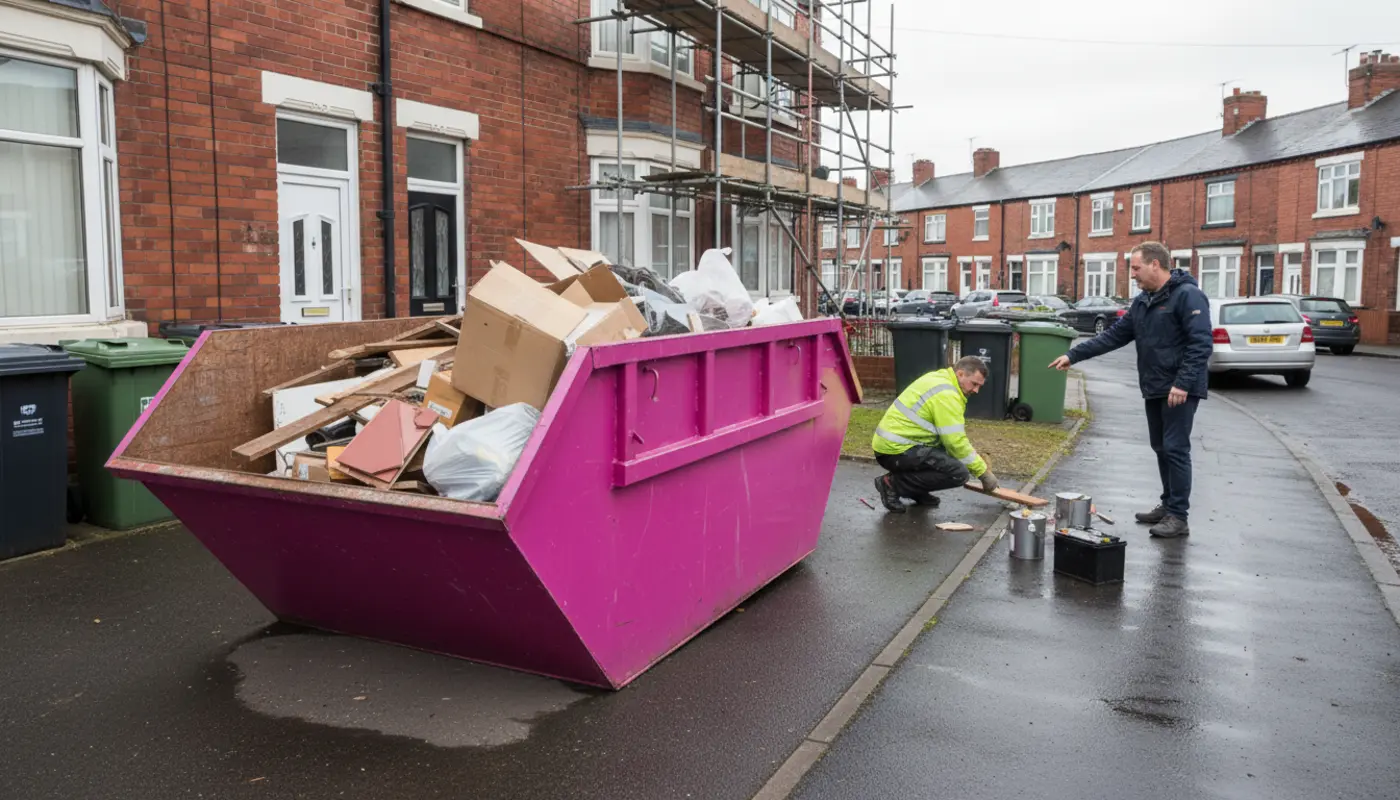
What are the most common skip hire mistakes? The five mistakes that cause the most hassle are choosing the wrong skip size, overfilling the skip, putting it in the wrong place, adding restricted waste, and forgetting permits or waste duty of care rules.
Most skip hire problems are easy to avoid when you know what to check before delivery day. A little planning can save money, prevent delays, and keep your project moving without awkward conversations with neighbours, drivers, or the council.
Pink Skip Manchester helps households, tradespeople, landlords, and local businesses across Greater Manchester choose the right skip, understand what can go inside, and arrange smooth collection using years of local experience and an on site recycling facility.
Skip hire mistakes cost time, money, and stress because they can lead to refused collections, extra charges, unsafe loading, permit issues, and delays to your project. Skip hire should make waste removal easier, but small errors can quickly turn a simple job into a problem that needs sorting before the skip can be moved.
The most common issues happen when a skip is too small, filled above the sides, placed where it blocks access, or loaded with items that need special disposal. These problems are easy to miss at the start, especially during house clearances, building work, garden jobs, or moving projects where waste builds up quickly.
In Manchester, placement matters as much as size. If a skip goes on a public road or pavement, it will usually need a permit. It must also be positioned safely so drivers, pedestrians, and emergency vehicles can pass without risk.
Official rules for skip permits are set by Manchester City Council, so it is worth checking the local requirements on the Manchester City Council skip permissions page before booking.
There is also a duty to deal with waste responsibly. In simple terms, this means using a proper skip hire company, keeping hazardous items out of a general skip, and making sure rubbish is handled through the right recycling or disposal route. A reliable local provider will guide you through these details before they become costly surprises.
Choosing the wrong skip size is one of the easiest skip hire mistakes to make because waste usually looks smaller before it leaves the house. A few cupboards, old flooring, broken furniture, rubble, and garden cuttings can turn into a much bigger pile than expected. If the skip is too small, you may need another one, which usually costs more than choosing the right size from the start.
Going too large can also waste money, especially for small clearances. A mini skip can suit a tidy garden job or a bathroom rip out, while a larger builders skip may be better for renovation waste, bulky furniture, and heavier materials. For mixed household waste, think about both volume and weight, not just how messy the pile looks.
A simple way to estimate size is to picture standard black bin bags. A small skip may hold around twenty to thirty bags, while a typical builders skip can hold roughly fifty to sixty. If you are clearing more than one room, removing fitted units, or dealing with soil and rubble, it is usually safer to step up a size rather than squeeze everything in and hope for the best.
For example, a small bathroom clearance with old tiles, a basin, packaging, and some flooring may fit into a smaller skip. A kitchen rip out with units, worktops, flooring, plasterboard, and general clutter will usually need more space than people first expect.
If you are unsure, describe your project clearly when booking. Mention whether you have furniture, rubble, timber, garden waste, kitchen units, bathroom fittings, plasterboard, or heavy soil. For more practical help, Pink Skip Manchester has a useful article on choosing the right skip size for your project, which can make the decision much easier.
Overfilling your skip is a common skip hire mistake because it can make the skip unsafe to lift and transport. Overfilling means loading waste above the sides or piling items so high that they could fall out during collection. It may feel harmless when there are only a few extra bits left, but the driver may refuse collection until the excess waste is removed.
Most skips have a clear safe fill level, which is usually no higher than the top edge. Waste should sit level and stay inside the skip walls, not rise in the middle like a badly stacked pile. Loose boards, bags, mattresses, and lightweight items can shift during lifting, so they need to be kept secure.
Good loading makes a big difference. Put heavy materials such as bricks, tiles, and rubble at the bottom, then add lighter waste on top. Break down flat pack furniture, cardboard, and timber where you can, because trapped air wastes space. If you are disposing of doors, fencing panels, or long timber, cut them down so they do not stick out over the sides.
Try not to fill a skip with very heavy material unless you have checked the size is suitable. Soil, concrete, bricks, and hardcore become extremely heavy in large amounts, and the lorry must be able to lift the skip safely. If your job involves a lot of heavy waste, tell the hire team in advance so they can suggest the right option.
Putting your skip in the wrong place can delay delivery, cause access problems, or create safety issues. The best place is usually private land, such as a driveway, yard, or suitable parking area, as long as there is enough space for the delivery lorry. The surface should be firm, level, and strong enough to take the weight of the skip once it is full.
If the skip needs to sit on a public road or pavement, you will normally need a permit. In Manchester, skips on the highway must follow local placement rules, which are designed to keep roads and pavements safe. Skips should not block visibility, sit too close to junctions, obstruct crossings, narrow the road dangerously, or prevent safe pedestrian access.
Lorry access is another common issue. Delivery vehicles need room to approach, lower the skip, and collect it later, so low branches, parked cars, tight corners, and narrow streets can all cause problems. If your street is busy, it helps to plan the delivery time and keep the agreed space clear.
Neighbours are worth considering too. Letting them know when the skip will arrive can prevent parking disputes and makes life easier if the skip will be near a shared access point. A quick friendly word often works better than finding a car parked exactly where the skip needs to go.
Adding restricted or hazardous waste is a serious skip hire mistake because not everything can go in a general skip. Normal skip waste often includes household clutter, garden waste, wood, furniture, packaging, bricks, rubble, tiles, and many types of building waste. Problems begin when hazardous or specialist items are mixed into the same load.
Common restricted items include asbestos, paint, solvents, oils, batteries, gas cylinders, tyres, fridges, freezers, televisions, fluorescent tubes, medical waste, and some electrical items. These materials need separate handling because they can be harmful, flammable, toxic, or covered by specific recycling rules. If they are found in your skip, collection may be delayed and extra charges may apply.
Asbestos is especially serious and must never be put in a general skip. It can release dangerous fibres if disturbed, and it needs licensed handling. Electrical waste also needs care, as many items fall under rules for waste electrical and electronic equipment. This means they should go through approved routes rather than being buried in mixed skip waste.
Before your skip arrives, walk through the waste pile and separate anything chemical, electrical, pressurised, oily, or potentially hazardous. If you are not sure whether an item is allowed, ask before putting it in. You can also read more about items you cannot put in a skip if you want a clearer list before starting your clearance.
Ignoring permits and waste duty of care is a skip hire mistake that can cause delays, added costs, and legal problems. If your skip is going on public land, the permit must be arranged before delivery. If waste is being taken away, it should be handled by a registered and responsible operator.
These rules protect you, the public, and the environment. They also help make sure waste is not dumped illegally or sent to the wrong place. For householders, the main duty is to make sure waste is passed to a legitimate provider. For businesses and tradespeople, the duty of care can be more detailed, especially with construction waste, commercial waste, or hazardous materials.
Keeping basic records and using a reputable company helps show that waste has been dealt with properly. It is one of those small admin jobs that can save a lot of stress later, especially if questions are asked about where the waste went.
A reliable skip hire company should understand local permit rules, have suitable insurance, and use proper waste transfer and recycling processes. Pink Skip Manchester has built local expertise across Greater Manchester by helping customers avoid these day to day problems, from choosing suitable skips for tight residential streets to managing mixed waste through its own recycling facility.
Choosing the cheapest option without checking compliance can be a false saving. If waste is fly tipped or handled incorrectly, the person who produced it may still face questions. It is far better to book with a company that gives clear advice, arrives when agreed, and explains what is allowed before your skip is full.
A simple checklist can help you avoid most skip hire mistakes before they happen. Before delivery day, take a few minutes to check the basics so the skip can arrive, be filled, and be collected without fuss.
Choose the right size: Estimate your waste honestly and go one size larger if you are unsure.
Keep waste below the sides: Do not pile rubbish above the skip walls or leave items sticking out.
Plan the placement: Use private land where possible, and arrange a permit if the skip needs to go on the road.
Separate restricted items: Keep paint, batteries, electricals, gas bottles, tyres, and hazardous waste out of the skip.
Use a reputable provider: Book with a local company that understands permits, safe collection, and responsible recycling.
Planning your skip hire properly helps avoid extra costs, wasted space, and last minute problems. Timing is a big part of this. If the skip arrives too early, it may sit empty while taking up useful space. If it arrives too late, waste can build up around the property and slow down the job. The best time is usually just before the main waste producing stage of your project.
For home renovations, try to coordinate with your builder, decorator, or kitchen fitter so waste goes straight into the skip. For garden clearances, check the weather where possible, because wet soil, turf, and green waste can become heavier and harder to manage. For house moves, book the skip after you have sorted what can be donated, sold, or recycled separately.
It also helps to keep the area around the skip tidy. Do not leave loose waste beside it, as this can block access and may not be collected as part of the skip hire. If you end up with more waste than expected, contact your provider rather than overfilling. A quick call can prevent a refused collection later.
Finally, think about what can be reused before it becomes waste. Good furniture, working appliances, unopened materials, and clean household items may be useful to someone else. Reducing waste before hiring a skip can lower costs, save space, and support better recycling outcomes.
If you are not sure about skip size, placement, permits, or restricted waste, Pink Skip Manchester can help you plan it properly before delivery day. A quick chat can make the whole job feel much simpler, which is exactly what good skip hire should do.
Do I Need A Permit For A Skip On My Driveway In Manchester?
Usually no, if the skip is fully on private land and does not obstruct the pavement or road. If any part sits on the public highway, a permit is normally needed.
What Happens If I Overfill My Skip?
The driver may refuse to collect it until the extra waste is removed. Overfilled skips can be unsafe to lift and transport.
Can I Put A Mattress Sofa Or Carpet In A Skip?
Sofas and carpets are often accepted, but mattresses can have special handling rules depending on the provider. Always ask when booking to avoid extra charges.
What Should I Do With Paint Batteries Or Electrical Items?
Keep them out of a general skip and use a suitable recycling centre, retailer scheme, or specialist disposal route. These items can be hazardous or need separate recycling.
Can I Move The Skip After It Has Been Delivered?
No, you should not try to move it yourself. Contact your skip hire company, as moving a skip without the right equipment can be dangerous and may breach permit conditions.