

28 Sep 2026 - 4:23 PM
Skip Hire for Office Clearances: What Businesses Need to Know

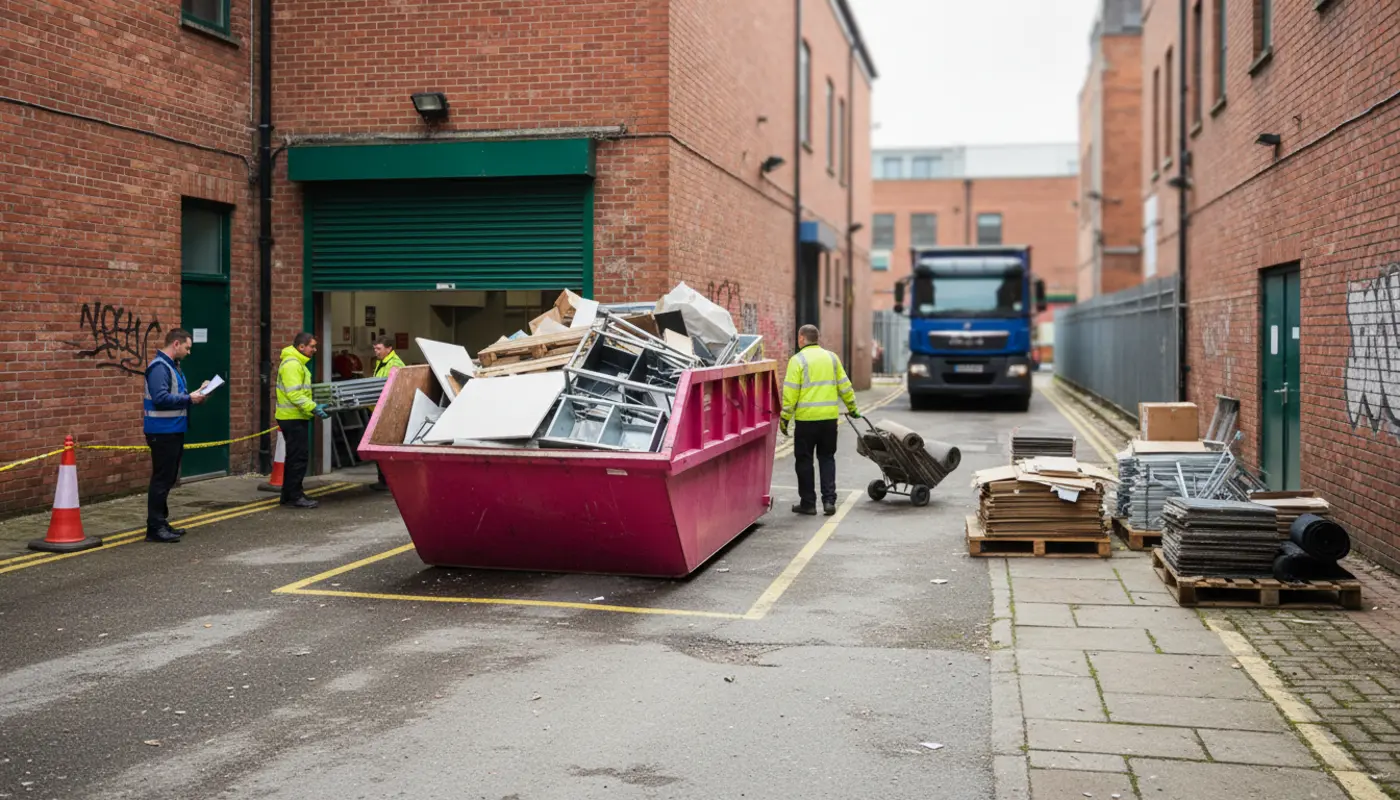
To plan waste removal for a commercial refurbishment, start by listing the materials that will be removed, estimate the waste by each project stage, choose the right skip sizes, book collections around the work schedule, and keep clear paperwork for legal compliance. This helps avoid delays, unsafe waste piles and extra costs once the refurbishment starts.
Commercial refurbishment waste can build up quickly, especially in offices, shops and busy premises where access is tight and disruption matters. A little planning before the first wall panel, carpet tile or shop counter is removed can save a lot of stress later.
Pink Skip Manchester helps businesses across Greater Manchester arrange practical, punctual skip hire for refurbishments, with a range of skip sizes, years of local experience and its own recycling facility to support responsible waste handling.
Commercial refurbishment waste needs a proper plan because it can quickly affect safety, access, costs and the speed of the job. Unlike a small home clear out, a business refurbishment may involve desks, partitions, flooring, ceiling tiles, shelving, lighting, packaging, broken fixtures and general building waste all at once.
In a shop, office or shared commercial building, waste often appears in bursts. One quiet morning can turn into a crowded site by lunchtime if old fixtures, furniture and packaging are removed at the same time. Without a clear plan, walkways can become blocked, skips can fill too quickly and contractors can lose time moving waste around instead of getting on with the work.
A good waste plan helps you keep the site tidy, protect staff and visitors, and avoid overflowing skips. It also helps contractors work faster because waste has a set place to go and collections are arranged before the site becomes too full.
For Manchester businesses, planning is even more useful because city centre streets, shared loading bays, service yards and managed buildings can all affect where a skip can go and when it can be collected.
Waste removal for a commercial refurbishment should start with the project scope because you need to know what is being removed before you can choose the right skip or collection plan. Walk through each area of the building and list what will be taken out, replaced or changed.
An office strip out might include old desks, chairs, filing cabinets, carpet, ceiling grids, plasterboard partitions and electrical fittings. A shop refit might include counters, display stands, shelving, signage, floor finishes and packaging from new fixtures.
Try not to rely on a rough guess based on floor area alone. Floor area helps, but two premises of the same size can create very different waste volumes. A light office refresh with paint and carpet tiles will produce far less waste than a full strip out with partitions, kitchens, toilets and storage rooms removed.
Ask your contractor what materials are coming out first, then group them into likely waste types such as wood, metal, rubble, plasterboard, plastics, cardboard and general mixed waste.
It is also worth checking if anything can be reused before it becomes waste. Good quality desks, chairs, storage units and display fittings may be suitable for reuse, donation or resale. This reduces the amount going into skips and can support your organisation's sustainability goals without making the project more complicated.
Estimating waste volume before booking skips helps you avoid paying for the wrong size, overfilling containers or running out of space halfway through the job. Skips fill by space, so bulky items such as shop displays, office chairs and packaging can take up more room than expected.
Heavy items such as rubble, tiles and concrete may not fill a skip to the top before weight limits become important, so they may need a different approach from light mixed waste. This is why it helps to think about both the size and weight of the waste before booking.
A practical method is to walk the site with your contractor and estimate waste by phase. During strip out, expect bulky materials and old fittings. During construction changes, expect plasterboard, timber, offcuts, rubble and packaging. During final fit out, expect cardboard, plastic wrapping, broken pallets and smaller general waste.
If your project has several floors, include the time and route needed to move waste safely to the skip area. If you are not sure whether your project needs one large skip or several smaller collections, thinking about the waste in stages can make that decision much clearer.
If you are unsure about capacity, it helps to compare your likely waste to common skip sizes before booking. Pink Skip Manchester has a helpful article on choosing the right skip size, which is useful when you are deciding whether one larger skip or several smaller collections will suit your refurbishment better.
Sorting waste properly is important because some refurbishment materials can go into standard skips, while others need separate handling for safety or legal reasons. Straightforward waste may include timber, metal, cardboard and old furniture. Other items need more care, including plasterboard, electrical items, fluorescent tubes, paints, adhesives, insulation and anything that might contain asbestos.
If the building is older, do not assume hidden boards, pipe lagging or ceiling materials are safe without checking. Older commercial buildings can contain materials that need specialist advice before removal.
Before collection, waste should be described correctly so the right disposal route is used. The GOV UK waste duty of care code of practice explains that businesses must take reasonable steps to keep waste safe, describe it accurately and pass it only to authorised people or businesses.
In simple terms, you need to know what your waste is, keep it secure, and make sure it goes where it should. If suspicious material is found during works, stop that part of the job and get proper advice. This is especially important with suspected asbestos, old chemical containers or unknown insulation.
Do not put hazardous materials into a general skip. Hazardous means something that may harm people, animals or the environment if handled in the wrong way. Placing these items in the wrong skip can create safety risks, extra costs and compliance problems.
Skip deliveries and collections should be planned around the refurbishment phases so waste is removed at the right time and the site does not become crowded. For many commercial projects, the first skip should arrive just before strip out starts, not days earlier.
This avoids taking up valuable space before it is needed and reduces the chance of other people using the skip without permission. If your building has a loading bay or shared yard, agree the delivery slot with building management before booking.
During the main strip out, fill levels should be checked daily. A skip that is nearly full at 3pm may become overfilled by the next morning if contractors keep working late. Overfilled skips are unsafe and may not be collected until the excess waste is removed, which can delay the job.
For longer projects, plan collections at key stages rather than waiting until everything looks full. For example, one collection after strip out, another during construction changes and a final collection after fit out can keep the site under control. If the refurbishment is in Manchester city centre, consider traffic, loading rules, events and peak trading times when arranging exchanges.
The worksite must stay safe while waste is moving because loose materials, sharp items and blocked routes can quickly lead to accidents. Piles of timber, bags of rubble, loose cables and packaging can create trip risks, block fire exits or make it harder for staff and customers to move around.
Set clear waste routes before work starts. If waste needs to move through corridors, service lifts or rear access doors, make sure those routes stay clear and well lit. Do not allow waste to gather near emergency exits, fire equipment, stairwells or customer areas.
If the premises remains partly open during works, use barriers, signs and agreed movement times so waste is not being carried through busy areas. This is especially important in shops, offices, hospitality spaces and shared buildings where people may still be working or visiting.
Dust and sharp materials also need attention. Broken tiles, metal trims, screws, glass and splintered timber should be handled with suitable gloves and placed carefully into the right container. If contractors are working outside normal business hours, make sure someone is responsible for checking waste areas before staff return the next morning.
A simple refurbishment waste checklist keeps everyone on the same page, especially when the business owner, landlord, main contractor and skip provider are all involved. You do not need a complicated document, but you do need enough detail to stop confusion once the project is moving quickly.
If you are unsure what can and cannot be placed in a skip, it is worth checking before the job starts. The Pink Skip Manchester article on what cannot go in a skip explains common restricted items in plain English, which can help avoid delays on collection day.
Manchester commercial premises often need extra planning because access, traffic and shared spaces can affect skip delivery and collection times. City centre offices may have narrow streets nearby, shared loading bays, basement service areas, managed entrances or timed delivery windows.
Around busy areas such as office districts, high streets and mixed commercial streets, even a simple skip exchange can need careful timing. If you are worried about where a skip can safely sit outside your premises, check this early, especially if your building shares a yard, uses a gated service road or has deliveries from several businesses at once.
High street shops may need collections arranged outside trading peaks so customers are not walking around waste movements. Industrial units may have more space, but they still need safe traffic routes for vans, forklifts and skip wagons.
For offices, pay close attention to lifts, corridors and shared entrances. Waste should not be left in communal areas where it can affect other tenants. For shops, think about customer visibility and the impact on neighbouring businesses. For hospitality and mixed commercial premises, keep refurbishment waste separate from everyday trade waste, food waste and recycling so the site stays organised.
Manchester businesses should also keep evidence of how commercial waste has been handled. Waste transfer notes or weighbridge receipts should be stored for at least two years, and the description on the paperwork should match the waste collected. This protects your business if there is ever a query about where waste went after leaving your premises.
Recycling and reuse should be part of the waste plan because many materials from office and retail projects can avoid disposal when they are separated properly. Metals, clean timber, cardboard, some plastics and certain fixtures may have a better route than mixed general waste.
Separating materials also makes the site easier to manage because contractors know where each type of waste should go. Reuse can be a simple win too. Office furniture, storage units, shelving and display items may still have value if they are in good condition.
Pink Skip Manchester supports this approach through local experience and its own recycling facility, helping suitable materials move through responsible recycling routes where possible. For businesses, that means waste planning can support both compliance and environmental aims, without adding unnecessary hassle to the project.
It is also sensible to think about everyday workplace waste during the refurbishment. Staff food waste, office recycling and general rubbish should not get mixed into construction waste areas. Keep separate bins for normal workplace waste so your refurbishment skip is used for the materials it was booked for.
Agreeing roles before work starts avoids confusion about who is responsible for booking skips, checking fill levels and keeping waste paperwork. One common reason waste plans fail is that everyone assumes someone else is dealing with it.
The tenant may think the contractor has it covered, the contractor may think the landlord has approved the skip location, and the building manager may not know a collection is arriving. A short meeting before work begins can prevent most of these issues.
Agree who books skips, who monitors fill levels, who checks restricted waste, who keeps paperwork and who speaks to building management. If a contractor is arranging waste removal, your business still has a duty to take reasonable steps and keep records. Clear roles reduce the chance of missed collections, blocked access and unsafe waste storage.
Planning refurbishment waste is really about control. When you know what waste is coming, where it will be stored, when it will be collected and who is responsible, the project becomes smoother, safer and easier to manage.
For Manchester offices, shops and commercial premises, the best approach is simple. Plan early, sort waste properly, schedule collections around the work, keep access safe and hold onto your paperwork. With the right skip sizes, sensible timing and a reliable local team, refurbishment waste becomes much easier to handle.
If you are planning a refurbishment in Manchester and are not sure what skip size or collection schedule you need, speaking to a local team early can make the whole job much easier.
How Do I Estimate Waste From An Office Refurbishment?
List everything being removed, then group it by material and project phase. Ask your contractor to check the estimate, as bulky furniture and partitions often fill skips faster than expected.
Do Shops Need Different Waste Planning From Offices?
Yes, shops often create bulky display waste, shelving, signage and packaging, while offices may produce more furniture, carpet tiles and partitions. Shops also need careful timing to avoid disruption to customers and neighbouring businesses.
Can Plasterboard Go In A Mixed Waste Skip?
Plasterboard usually needs separate handling and should not simply be mixed with general skip waste. Always check before booking so the correct container or collection route can be arranged.
How Long Should Manchester Businesses Keep Waste Paperwork?
Keep waste transfer notes, weighbridge receipts and related documents for at least two years. Store them somewhere easy to access in case the council or another authority asks for evidence.
What Should I Do If Asbestos Is Found During Refurbishment?
Stop work in that area straight away and arrange a specialist assessment. Suspected asbestos must not be placed in a normal skip or handled as standard refurbishment waste.