
10 Sep 2026 - 2:43 PM
What Size Skip Do I Need for a House Clearance in Manchester?

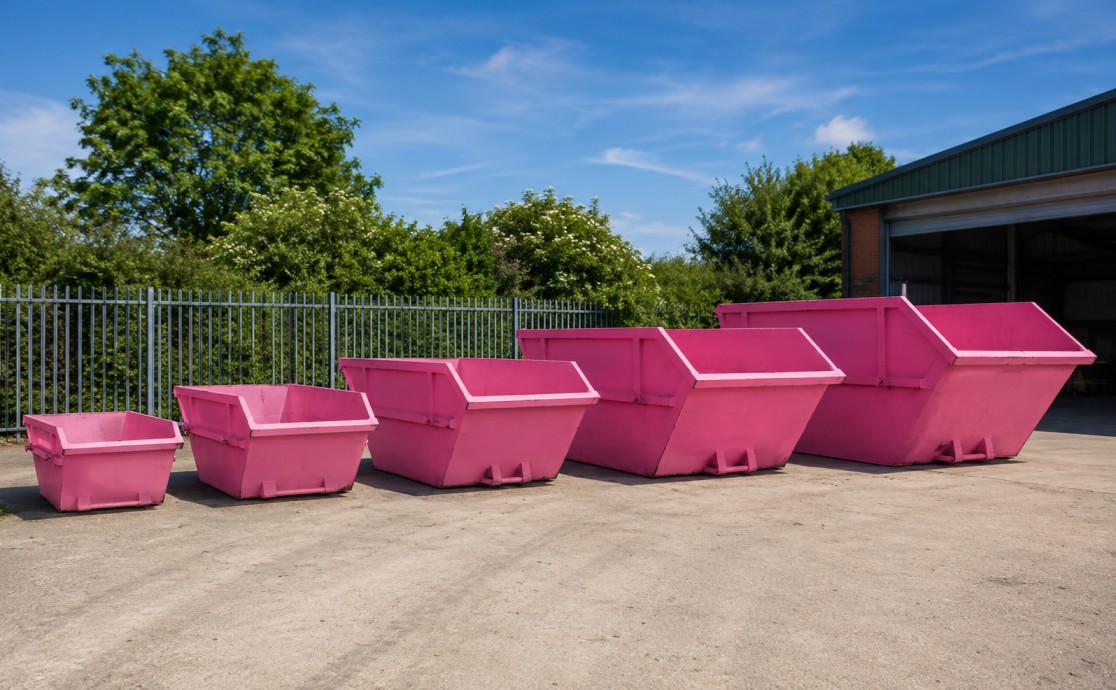
Skips in the UK typically range from small 2 yard mini skips, ideal for a garden tidy up, through to large 16 yard roll on roll off containers used on major building sites. The most commonly hired sizes for homes are the 4 yard midi skip and the 6 to 8 yard builder’s skip, both of which strike a good balance between capacity, cost and how much space they take up on a driveway. Choosing correctly saves you money and avoids the hassle of ordering a second skip halfway through a job. Here is a straightforward breakdown of every skip size available, what each one suits best, and how to pick the right fit for your project.
Before getting into the detail, here is a quick summary of the sizes you are likely to come across when hiring a skip in Manchester:
The smallest skip option available and the cheapest way to get rid of waste. With a capacity of around 2 to 3 cubic yards, it holds roughly 20 to 35 standard bin bags of rubbish.
Mini skips are compact enough to sit neatly on a driveway or in a small garden, which makes them a favourite for:
If you only have a modest amount of waste and limited space, this is usually the most sensible and cost effective choice.
Stepping up in size, the 4 yard midi skip holds around 35 to 40 bin bags of waste. It is one of the most popular choices for domestic customers because it offers noticeably more room than a mini skip while still fitting comfortably on most driveways.
Typical uses include:
Many homeowners choose the midi skip because it removes the guesswork. It is large enough to cope with an unexpected extra load of rubbish, yet it never feels like an oversized eyesore outside your home.
The 6 yard skip, often called a small builder’s skip, is the size most people picture when they think of a skip. It holds around 60 bin bags and copes well with heavier materials such as soil, rubble and bricks, making it a genuine workhorse for renovation projects.
The 8 yard skip is slightly larger again, holding around 80 bin bags, and is generally considered the biggest size suitable for dense waste like rubble and hardcore. Anything larger and weight restrictions on the lorry come into play.
Builder’s skips are ideal for:
Because these sizes are so versatile, they tend to be readily available and are a solid default choice if you are unsure exactly how much waste your project will generate.
If you plan to keep a skip on a public road rather than a private driveway, you will need a permit from Manchester City Council. This applies regardless of skip size, so it is worth arranging before delivery day to avoid any delays.
Maxi skips hold approximately 100 to 120 bin bags and are designed for bulky but relatively lightweight waste, such as furniture, cardboard and packaging. They are not suitable for heavy materials like soil or concrete, since the weight would exceed safe transport limits.
These larger skips work well for:
Given their footprint, maxi skips need a reasonably large, flat area for delivery and collection, so it is worth measuring your available space before booking.
For commercial and industrial projects, roll on roll off skips offer capacities starting from around 16 cubic yards and going up considerably further. These are delivered and collected using specialist lorries with hydraulic systems, and they are built for high volumes of lighter waste rather than dense rubble.
They are commonly used for:
If your project falls into this category, it is best to speak directly with a skip hire specialist who can talk through logistics such as access and placement.
Heavy materials such as soil, bricks and concrete need a smaller skip due to weight limits, even if there seems to be plenty of room left. Lighter, bulkier waste like furniture or packaging can go into a larger skip without any issue.
Measure your driveway or garden before booking. Remember to allow extra room for the delivery lorry to manoeuvre and for the skip to be loaded safely.
If you are torn between two sizes, it is usually more cost effective to hire the larger one rather than risk needing a second skip collection. Underestimating almost always ends up costing more overall.
Picking the right skip size does not need to be complicated once you understand what each option is designed for. From a compact 2 yard mini skip for a garden tidy up to an 8 yard builder’s skip for a full kitchen renovation, there is a size to match every project and budget. If you are still unsure which skip suits your job, get in touch with our team today. We can talk through your project, recommend the best size, and arrange fast, reliable delivery across Manchester.
1. What is the most popular skip size for home renovations? The 6 to 8 yard builder’s skip is the most commonly hired size for home renovations, as it comfortably handles kitchen, bathroom and general building waste while remaining a manageable size for most driveways.
2. Can I put soil and rubble in any size skip? No. Heavy materials like soil, bricks and concrete should only go into smaller skips, typically up to 8 yards, due to weight restrictions on the collection vehicle. Larger skips are intended for bulky, lightweight waste.
3. Do I need a permit to have a skip on my driveway? No permit is needed if the skip sits entirely on private property such as a driveway or garden. A permit from the council is only required if the skip needs to be placed on a public road.
4. How long can I keep a hired skip? Most skip hire periods last between one and two weeks, though this can often be extended if you need more time. It is worth confirming the hire period when you book.
5. What items are not allowed in a skip? Hazardous materials such as asbestos, paint, batteries, gas canisters and electrical items generally cannot go into a standard skip. These require specialist disposal, so check with your provider before loading anything you are unsure about.