

15 Nov 2026 - 9:22 PM
Can You Put Soil in a Skip? Heavy Garden Waste Explained

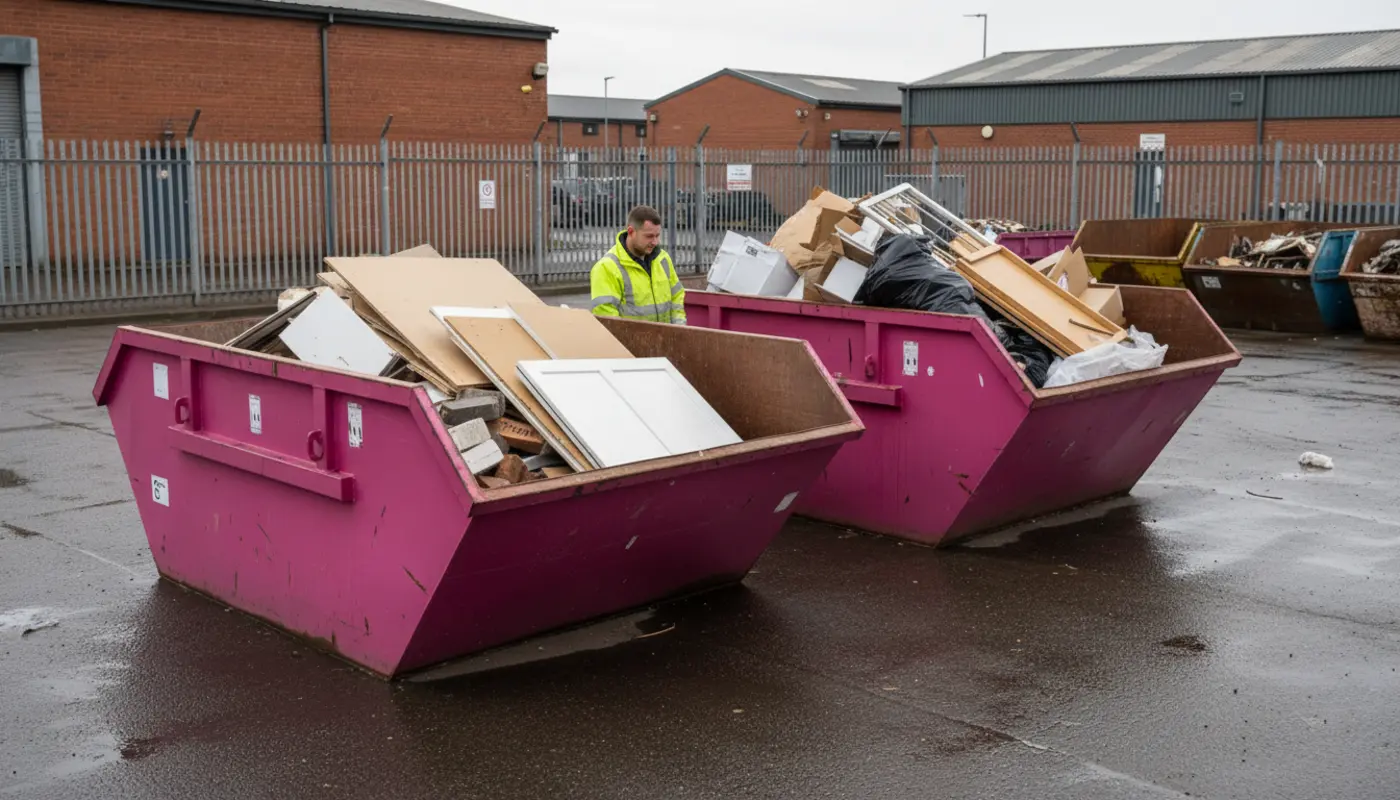
A 6 yard skip usually gives better value for a single room renovation, a small kitchen rip out, a bathroom refit, or a moderate clear out where the waste is compact. An 8 yard skip often gives better value when the job is larger, bulky, spread across several rooms, or close to the limit of a 6 yard skip. Paying a little more at the start can be cheaper than needing a second skip later.
The main difference is capacity. A 6 yard skip holds about 4.6 cubic metres, while an 8 yard skip holds about 6.0 to 6.1 cubic metres, depending on the exact skip design. In everyday terms, that is roughly 50 to 60 standard bin bags for a 6 yard skip and around 60 to 80 standard bin bags for an 8 yard skip.
Pink Skip Manchester helps homeowners, landlords, builders, and businesses across Greater Manchester choose the right skip size without guesswork. With years of local experience, a wide choice of skip sizes, and an in house recycling facility, Pink Skip makes waste removal feel simple rather than stressful. The team can also help with waste type, access, permit needs, placement space, and weight limits.
A 6 yard skip is the better choice for many small and medium jobs, while an 8 yard skip is better when you need more room for bulky or mixed waste. The right option depends on how much waste you have, how heavy it is, and where the skip will be placed.
A 6 yard skip is often called a builders skip and is one of the most popular choices for home projects. It is big enough for many renovation jobs, yet still practical for driveways and tighter spaces. An 8 yard skip is the next step up and gives noticeably more room, especially when the waste includes bulky items such as kitchen units, doors, timber, packaging, old furniture, or garden waste.
As a simple comparison, a 6 yard skip has about 4.6 cubic metres of space and is suited to small or medium projects. An 8 yard skip has about one third more listed capacity and is better for larger clearances or jobs where waste is awkward to stack neatly. The 6 yard option usually has the lower upfront price, while the 8 yard option can reduce the risk of paying for another delivery and collection.
It is worth remembering that skip dimensions can vary slightly between suppliers. Bin bag estimates are also only a guide, because bag size, fill level, and waste type all make a difference. If your waste is dense, bulky, or hard to judge, the best value skip is the one that fits the job safely and legally, not simply the one with the cheapest first quote.
A 6 yard skip is best for compact renovation waste, small building jobs, and clearances where the volume is easy to control. It is a strong choice for a bathroom refurbishment, a compact kitchen strip out, flooring removal, a garage tidy up, or a modest garden project. It is also useful when space on site is limited, such as a narrow driveway or a street where parking is already tight.
This size works well when waste can be broken down and loaded sensibly. Flat packed timber, bagged waste, tiles, old cupboards, and smaller fittings can usually be arranged well, which helps you get good value from the available space. If you are planning a kitchen project and want more detail on typical waste types, the advice in the best skip size for a kitchen renovation is a useful next read.
A 6 yard skip may be too small if the project involves several rooms, large furniture, lots of packaging, bulky garden waste, or waste that cannot be taken apart. It can also become a false saving if your estimate is already close to the top of its capacity. Once a skip is full to the safe loading level, waste cannot be piled above the sides.
An 8 yard skip is best for larger home projects, bulky mixed waste, and renovation work where the total volume is harder to predict. It is commonly used for multi room clearances, bigger kitchen renovations, larger garage or loft clear outs, garden landscaping, and small construction jobs. It gives more breathing room, which is helpful when the waste pile grows faster than expected.
The value of an 8 yard skip is not only the extra cubic capacity. It also gives more flexibility when the waste does not stack neatly. Old wardrobes, broken fencing, kitchen units, worktops, and bags of mixed household waste all create gaps. Those gaps reduce the real amount you can fit in. For a fuller explanation of this size, Pink Skip Manchester has a dedicated 8 yard builders skip guide covering common uses and practical loading advice.
An 8 yard skip is not automatically the right answer for every job. It costs more than a 6 yard skip and usually needs a little more placement space. If your waste is light and bulky, it may be ideal. If your waste is mainly soil, concrete, bricks, or hardcore, weight limits may matter more than volume, so you should always explain the material before booking.
A 6 yard skip usually holds around 50 to 60 standard bin bags, while an 8 yard skip usually holds around 60 to 80 standard bin bags. The exact number depends on the bag size, the waste type, and how carefully the skip is loaded.
Bulky items can reduce usable space because they create air pockets. A skip full of broken tiles and bagged waste will pack differently from a skip full of old chairs, branches, and kitchen cabinets. Breaking down furniture, flattening cardboard, and cutting timber into manageable lengths can make a clear difference, as long as it can be done safely.
If your estimate is about 45 to 50 bags and the waste is compact, a 6 yard skip may be enough. If the estimate is nearer 60 bags, or if the waste includes units, fencing, sofas, mattresses, or awkward items, an 8 yard skip is often the safer value choice. The extra space can prevent the job from stopping when the skip is full but the clearance is not quite finished.
A 6 yard skip normally has a lower upfront hire price than an 8 yard skip, but that does not always make it cheaper overall. The better question is whether the smaller skip will handle the whole job in one hire. If it will, you save money by not paying for space you do not need. If it will not, the cost of a second skip can quickly outweigh the first saving.
Prices can vary by location, waste type, hire period, permit needs, and access. That means it is always worth checking the current price before booking. To compare value, think about cost per cubic metre rather than booking price alone. Divide the total skip price by the stated capacity to see how much space you are getting for your money. The 8 yard skip has two more cubic yards of listed volume than the 6 yard skip, which is about one third more space before allowing for real world loading differences.
Always compare the full price, not just the headline figure. Delivery, collection, hire period, VAT where applicable, permit costs, and any special placement arrangements can all affect the final total. If your job is near the 6 yard limit, one 8 yard skip may be better value than booking a 6 yard skip, filling it too soon, and then arranging another collection and delivery.
The easiest way to estimate waste is to split the job into areas. Look at each room, garden section, or work stage and list what will actually leave the property. A kitchen renovation might include cabinets, worktops, flooring, tiles, plasterboard, packaging, and perhaps old appliances. A garden clearance might include branches, fencing, turf, soil, paving, and broken outdoor furniture.
If the waste is already piled up, measure the length, width, and average height in metres, then multiply the three numbers. A pile measuring 2 metres long, 2 metres wide, and 1 metre high is about 4 cubic metres. Because piles are uneven and contain gaps, it is wise to add a little extra room rather than choosing a skip that only just matches your calculation.
For bagged waste, count the bags and then add bulky items separately. Remember the items that often appear later, such as packaging, old underlay, offcuts, and the extra rubbish that every renovation seems to produce. If your estimate lands between the two sizes, ask for advice and compare the price of one larger skip against the risk of needing two smaller ones.
Heavy waste can make a smaller skip the safer option, even when a larger skip has more space. Soil, bricks, concrete, hardcore, paving slabs, roofing tiles, and large amounts of rubble can reach weight limits before the skip is full. An 8 yard skip should not be filled to the top with dense material unless the supplier has confirmed it is suitable.
If your load includes a lot of heavy material, tell the skip hire team before booking. They can advise whether a 6 yard or 8 yard skip is suitable, whether the waste should be separated, and what loading limits apply. Plasterboard may also need special handling, so it should always be mentioned clearly when asking for a quote.
Safe loading matters for collection, transport, and legal compliance. Waste must not rise above the sides of the skip, and loose items should not be balanced on top. If you think the skip may fill before collection, speak to the supplier rather than overloading it, because an unsafe skip may not be collected until the load is corrected.
Manchester skip permit and placement rules depend on whether the skip is placed on private land or a public road. A skip on a driveway, garden, or private land normally does not need a Manchester City Council skip permit. A skip placed on a public highway usually does need a permit, and the skip operator normally applies for it.
Manchester permits are usually time limited, and restricted locations may need extra approval and notice. City centre locations can have tighter controls, so wait and load arrangements may be more suitable in some cases. You can check the official local position through the Manchester City Council skip permit guidance.
If you live outside the Manchester City Council boundary, the rules may differ because Greater Manchester includes several local authorities. When booking, explain whether the skip will go on a driveway, private land, or the road. That helps avoid delays and makes the price comparison between a 6 yard and 8 yard skip more accurate.
The simplest way to avoid paying for a second skip is to be honest about the size of the job before booking. Most people underestimate waste because they picture the finished room, not the pile of old materials that comes out of it. A little planning can save money, time, and the hassle of stopping work while another skip is arranged.
It is also worth separating reusable items before the skip arrives. Furniture in good condition, clean cardboard, scrap metal, and some electrical items may be better handled through reuse or specialist routes. That can reduce the skip volume and help you choose a size based on genuine waste rather than everything you no longer want.
Choose a 6 yard skip for smaller jobs with compact waste and limited placement space. Choose an 8 yard skip when the project covers several rooms, includes bulky items, or could easily go beyond the 6 yard limit.
A 6 yard skip is often the sensible value choice for a bathroom refit, compact kitchen rip out, small garage clearance, or moderate garden tidy. It keeps upfront costs down and is easier to place where space is limited.
An 8 yard skip is often better for larger kitchen renovations, house clearances, loft and garage clearances, landscaping work, and mixed renovation waste. The extra capacity gives room for uncertainty, which is often where the real saving sits.
If you are stuck between the two, ask whether the price difference is small compared with the cost of another skip. When the job is clearly modest, the 6 yard option is usually enough. When the estimate is close, awkward, or likely to grow, the 8 yard skip often gives better value and a much calmer project.
Is An 8 Yard Skip Always Better Value Than A 6 Yard Skip?
No. An 8 yard skip is better value when the extra space prevents a second hire, but a 6 yard skip is usually more economical for smaller jobs that will not reach its limit.
How Many Bin Bags Fit In A 6 Yard Skip?
A practical estimate is around 50 to 60 standard bin bags. The real amount depends on bag size, waste type, and how neatly the skip is loaded.
How Many Bin Bags Fit In An 8 Yard Skip?
An 8 yard skip usually holds around 60 to 80 standard bin bags. Bulky items may reduce the number because they create gaps inside the skip.
Can I Put Soil And Rubble In An 8 Yard Skip?
You may be able to, but dense waste can reach weight limits before the skip is full. Always confirm the material and loading rules before booking.
Do I Need A Permit For A Skip On My Driveway In Manchester?
A skip on a driveway, garden, or private land usually does not need a Manchester City Council skip permit. A skip on a public road generally does need one, and the operator normally applies.