

12 Aug 2026 - 2:55 PM
How Skip Hire Companies Recycle Construction Waste

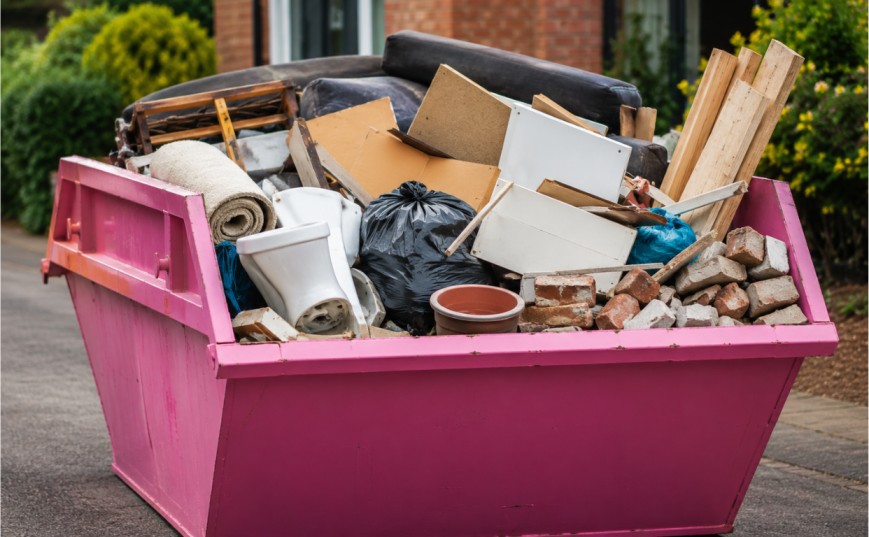
If you have booked a skip for the first time, or you are planning a big clear-out in Manchester, one of the first questions you will ask is: what can actually go in there?
It seems straightforward, but there are strict rules around skip waste in the UK. Put the wrong thing in and you could face unexpected charges, have your skip refused for collection, or even fall foul of environmental regulations.
The good news is that once you know the basics, it is simple. This guide covers everything you need to know, including what is allowed, what is banned, and how to get the most out of your skip hire. Whether you are a homeowner, builder, or business owner in Manchester, read on before you start loading up.
Most everyday waste from home renovations, garden clearances, and building projects is perfectly fine for a skip. Here is a breakdown of the most common acceptable materials.
Standard household rubbish is usually fine, as long as it does not include hazardous materials. Old furniture such as sofas, chairs, wardrobes, and beds are all acceptable. You can also include carpets and underlay, clothing and textiles, cardboard and paper, plastic packaging and containers, general non-food kitchen waste, and broken toys and household items.
If you are having a full house clearance in Manchester, a mid-size or large skip will handle most of what you need to remove.
A skip is one of the easiest ways to deal with a large garden clearance. You can include grass cuttings and leaves, shrub and hedge trimmings, old plant pots, fencing panels, and wooden garden furniture. Soil and turf are also generally accepted, though some skip hire companies charge extra for heavy soil loads, so it is always worth checking in advance. Bark chippings and gravel are also fine to include.
If your garden waste is mainly green cuttings and soil, ask your skip provider about a dedicated green waste skip. It is often more cost-effective and better suited to that type of material.
Builders, contractors, and anyone doing a home renovation will find skips invaluable for clearing up. Acceptable building waste includes bricks, rubble, and concrete, along with plasterboard in smaller quantities, as some providers have restrictions due to landfill rules. Timber, wood, and joinery offcuts are fine, as are metal pipes, radiators, and scrap metal. Ceramic tiles, bathroom fittings, roofing felt, slates, and non-hazardous insulation materials are all commonly accepted.
If you are doing a full kitchen or bathroom renovation in Greater Manchester, a builders’ skip is probably your best option. These are designed to handle heavier and denser loads safely.
Inert materials, meaning things that will not react or break down, are generally fine in a skip. This includes sand and gravel, clay, clean concrete and stone, and hardcore and aggregates.
Bear in mind that heavy inert waste can quickly reach the skip’s weight allowance long before it looks full. It is worth discussing your load with your skip hire company beforehand to avoid overage charges.
This is where many people get caught out. Certain materials are banned from skips by law, primarily because they require specialist disposal under UK environmental regulations.
Hazardous materials cannot go in a skip under any circumstances. Asbestos requires specialist removal and disposal and must never be placed in a general skip. Chemicals and solvents, including paint thinners, cleaning products, and industrial fluids, are strictly prohibited. Pesticides and herbicides, oils such as engine oil and cooking oil, medical waste including needles and medicines, fluorescent tubes and energy-saving bulbs which contain mercury, gas canisters and cylinders, and large quantities of batteries are all banned. Some providers may accept small quantities of household batteries, but always confirm beforehand.
Electrical and electronic equipment, known as WEEE waste, must be disposed of separately under UK law. This includes televisions, monitors, computers, laptops, tablets, fridges, freezers, washing machines, microwaves, and other small kitchen appliances. Many local councils in Manchester offer free WEEE collection points, and some retailers will take back old appliances when delivering replacements.
Tyres are banned from landfill under UK regulations and therefore cannot be placed in a skip. Your local tyre garage will usually dispose of old tyres responsibly, often for a small fee.
No liquids should go into a skip. This includes paint unless it is fully dried and hardened, as well as water, or any other type of fluid.
Food waste should go in your household food caddy or compost bin, not a skip. Large quantities can attract pests and cause problems during disposal at the waste facility.
Even experienced skip users make these errors. Avoiding them will make your hire run much more smoothly.
The first and most common mistake is overfilling the skip. Skips must not be loaded above the rim. An overloaded skip is a safety hazard and cannot be legally transported on UK roads. If you have too much waste, it is better to hire a bigger skip upfront or arrange a second collection.
The second mistake is mixing hazardous and general waste. Even a single hazardous item can contaminate an entire skip load, leading to additional charges or a refused collection. Keep hazardous materials separate from the very start.
A third common error is not checking weight limits. Volume and weight are different things. Heavy materials like soil, concrete, and rubble can hit the weight limit long before the skip looks anywhere near full. Always discuss your waste type with your provider before booking.
Many people in Manchester also forget that placing a skip on a public road requires a permit from the local authority. If your skip needs to sit on a public road, you will need a skip permit from Manchester City Council or the relevant local authority for your area. Your skip hire company will usually arrange this on your behalf, but always make sure to ask.
Finally, some customers assume all waste is priced the same. Certain materials, particularly plasterboard, soil, and asbestos, carry additional disposal costs. Always ask for a clear and itemised quote upfront so there are no surprises.
Hiring a skip is one of the smartest and most practical decisions you can make when tackling a renovation, house clearance, garden project, or building job in Manchester. But getting the most out of your skip hire comes down to one simple thing: knowing what can and cannot go in. As this guide has shown, the rules are not complicated once you understand them. Most everyday waste from homes and building sites is perfectly acceptable. The items that are banned, such as asbestos, chemicals, electrical appliances, and tyres, are restricted for very good reasons, primarily to protect public health and the environment. Respecting those rules keeps your project running smoothly and avoids unnecessary costs or delays.
At Pink Skips Manchester, we are here to make the process as easy as possible for homeowners, builders, and businesses across the city. From booking through to collection, we handle everything so you can focus on the work that matters.
Can I put plasterboard in a skip?
Yes, but only in limited quantities. Under UK regulations, plasterboard must be separated from other waste at licensed facilities due to its chemical composition.
Can I put paint in a skip?
Liquid paint cannot go in a skip. However, if paint tins are completely empty or the paint has fully dried and hardened, many providers will accept them. When in doubt, ask your skip hire company directly.
Do I need a permit to put a skip on the road?
Yes. If your skip is placed on any public highway, including the pavement or road outside your property, you will need a permit from the local council. Pink Skips Manchester can arrange this on your behalf as part of the booking process.
How long can I keep a skip?
Standard hire periods in Manchester are typically seven to fourteen days, though this varies by provider. Extensions are usually available for an additional fee. If you know you will need longer, it is best to discuss this at the time of booking.
What happens to the waste once the skip is collected?
A reputable skip hire company will take your waste to a licensed transfer station where it is sorted, and as much material as possible is recycled or recovered.